
How AI Is Shaping Parenthood — From Pregnancy to Early Baby Care (And What It Means for You)
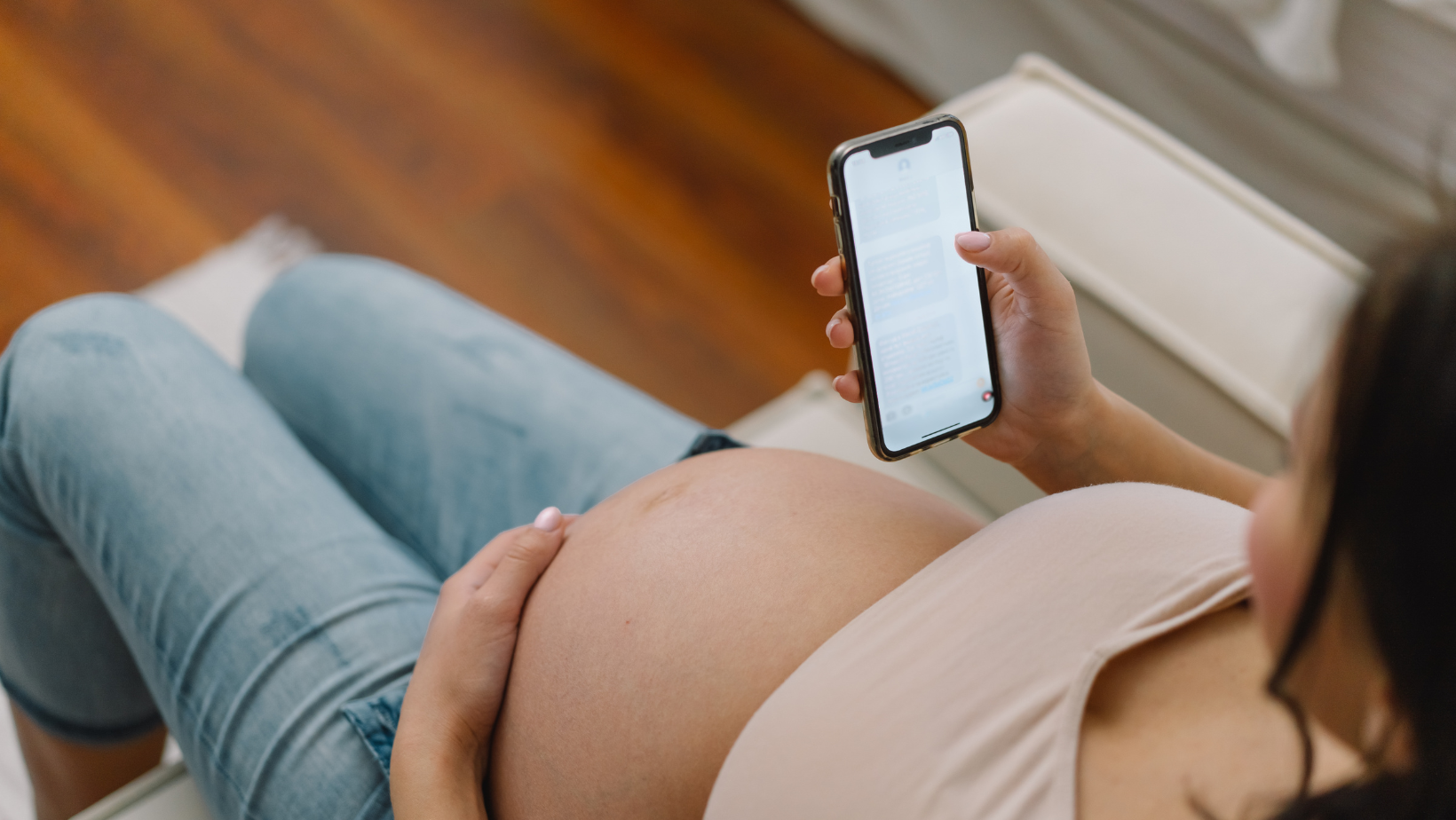
Pregnancy and early parenting have always been full of big questions, shifting needs, and deep emotions. Now, with advances in technology, we have new tools to help — including artificial intelligence (AI). In this post, we walk through what AI can do for expectant parents, and what it really means for pregnancy, birth, and early postpartum care — especially if you live in our very tech-savvy region (Seattle, Eastside, or nearby).
What AI is bringing to modern pregnancy & parenthood
AI isn’t about replacing care — it’s about enhancing awareness, personalization, and support. Here are some of the ways AI is beginning to shape pregnancy, prenatal care, and newborn support:
Smarter prenatal screening & monitoring. Advanced data-driven tools can help identify risks like preeclampsia, gestational diabetes, or preterm labor earlier than traditional methods. This gives parents and providers a head start on care.
Personalized care plans. AI algorithms can analyze a wide range of health data — past pregnancy history, lab results, lifestyle factors — to help providers tailor prenatal and postpartum plans uniquely for you.
Remote monitoring and tele-support (especially helpful in rural or busy areas). For families who may have limited access to in-person care (or value convenience), AI-enabled tools can support remote check-ins, tracking vital signs, or alerting providers early if something looks off.
Better prenatal education & support resources. Apps and digital assistants powered by AI can offer 24/7 access to pregnancy and early parenting information — helpful for those late-night questions during the third trimester or early postpartum days.
The bottom line: AI has the potential to make pregnancy and early parenthood more informed, responsive, and supportive — without replacing the human care fundamentals that doulas, midwives, and OB providers bring.
What AI can’t (and shouldn’t) replace — and why human support still matters
As powerful as AI is, it has limits — and in the context of birth and postpartum care, those limits matter. Here’s where human-centered care remains essential:
You can’t replace empathy, intuition, or physical comfort. Virtual tools can monitor data or offer reminders — but they can’t soothe your hips during contractions, rub your back in the middle of the night, or read body language when labor gets overwhelming. That’s where doulas and hands-on support shine.
AI is only as good as its data — and bias, privacy, or gaps can affect outcomes. Algorithms may struggle when data sets don’t reflect diverse populations; maternal-fetal health is deeply individual; blanket AI advice can miss important nuance.
Medical decisions require licensed professionals. AI tools — even if advanced — can’t deliver babies, interpret complex lab results in context, or respond in real time to unexpected emergencies. That’s why midwives, OBs, and skilled birth attendants remain the core of safe care.
Support needs go beyond data: emotional reassurance, partner coaching, individualized advocacy, and pregnancy/birth education are not “one-size-fits-all.” Human support offers trust, presence, and flexibility in a way AI simply can’t replicate.
In other words: treat AI like another tool in your toolkit — not the driver of care.
What this new landscape means for you — especially if you’re here in Seattle / Eastside
If you’re preparing for birth or early parenting in our region (Bellevue, Kirkland, Bothell, Issaquah, Redmond, Woodinville, and beyond), here’s how you might integrate AI-enhanced care — while still holding space for human-centered support:
Use AI-powered prenatal screening and remote check-ins for early risk detection or convenience when clinic visits feel overwhelming. Especially helpful for people balancing work, storms, or travel across Eastside neighborhoods.
Pair technological tools with a doula or midwife (or both) so you get both data-driven insights and emotional/physical support. That way you still have someone by your side who knows your birth goals and values.
Use AI resources for prenatal education or to track wellness, but treat them as reference-level support — not a substitute for personalized guidance, especially for things like labor preparation, birth planning, and postpartum recovery.
Make sure that the education or guidance you get are backed by evidence or research (e.g. https://app.zenithhealth.io/ask-penny)Approach privacy and data thoughtfully if you use apps or digital tools — weigh the convenience with caution, ask questions, and trust your body and instincts.
In short: if you lean into AI where it serves you — while still centering human care, support, and informed consent — you may find yourself arriving at birth and parenthood more prepared, more aware, and more empowered.
What to know — and what to watch out for
What’s promising
Earlier detection of complications, more personalized prenatal care, and flexible options like remote monitoring and virtual support.
More access to information, anytime — which can matter differently depending on your schedule (night shift, remote work, busy home life).
Potential to reduce barriers for people who struggle with frequent appointments or limited mobility, especially in areas with long commute times or unpredictable traffic.
What to take slow
AI should never replace trained, caring humans — especially when it comes to birth, newborn care, and emotional well-being.
Algorithms may not always reflect your unique history, identity, or values — one size does not fit all.
Be mindful of privacy. Data from apps is sensitive. Make sure you trust the platforms you use, and know how your data is handled.
Final Thought: Use Tech as a Helper — Not a Replacement
AI is a powerful new layer for pregnancy and early parenthood, but at its best, it works alongside — not instead of — the real, human-centered care you deserve. In a world where birth and parenting can feel unpredictable, having both knowledge and heart at the table gives you a fuller, more supported path.
If you’re exploring birth support in the Seattle / Eastside area (Bellevue, Bothell, Kirkland, Issaquah, Redmond, Woodinville, etc.), think of AI as a helpful friend — and doulas, midwives, and perinatal professionals as your steady guide.